
CHIROPRACTIC CARE FOR VERTIGO & DIZZINESS
Vertigo Relief Chiropractor in Cedar Park, TX
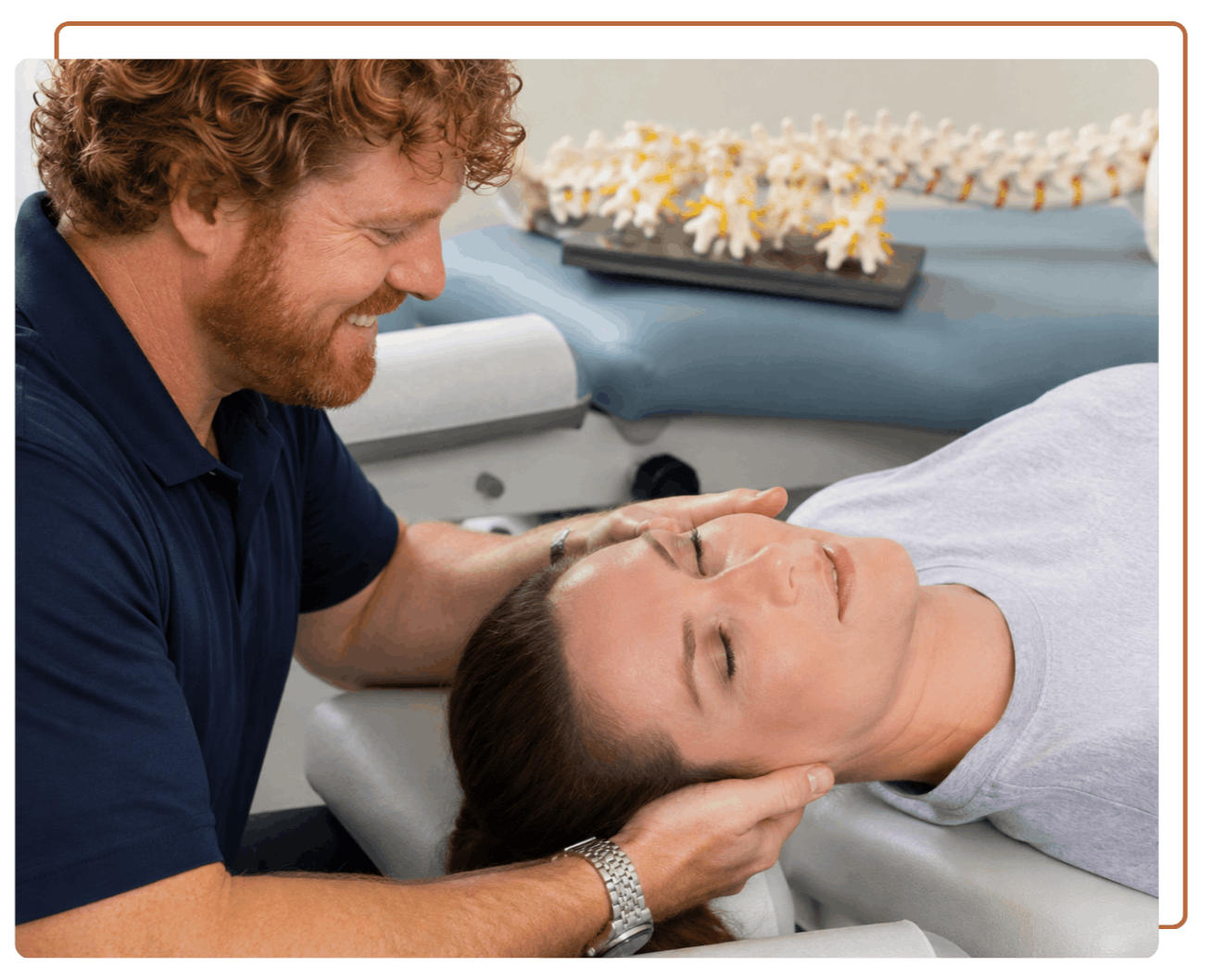
Struggling with vertigo, dizziness, or balance problems? At Melot Chiropractic, we evaluate your neck, movement, and nervous system to identify factors that may be contributing to your symptoms and create a personalized plan to help you find relief.
$45
First Visit Special
Exam, Consultation & First Adjustment
Not All Dizziness Is the Same
UNDERSTANDING YOUR DIZZINESS
Vertigo and dizziness can have many different causes. Understanding when your symptoms happen, what triggers them, and whether they're accompanied by neck pain or other symptoms helps determine the appropriate next step.
BPPV (Positional Vertigo)
Brief, intense spinning triggered by changes in head position, such as rolling over in bed, looking up, or bending down.
Cervicogenic Dizziness
Dizziness or unsteadiness that occurs alongside neck pain, stiffness, or restricted neck movement after other causes have been ruled out.
Post-Concussion & Whiplash Dizziness
Dizziness, balance problems, or difficulty focusing that may develop after a concussion, whiplash injury, car accident, or fall.
Dizziness & Balance Problems
Feeling unsteady, off balance, or less confident while walking. Balance problems can have many causes, so identifying what is contributing to your symptoms is important.
WHY CHIROPRACTIC CAN HELP
Chiropractic Care for Vertigo & Dizziness
Vertigo and dizziness can have different causes, which is why the right evaluation matters. We look at your symptoms, triggers, balance, neck movement, and positional changes to help identify factors that may be contributing to your dizziness and determine the appropriate approach to care.
Depending on your findings, treatment may include:
Epley & repositioning maneuvers for BPPV (benign paroxysmal positional vertigo)
Gentle chiropractic adjustments to address restricted movement and neck-related dizziness
Soft-tissue therapy to reduce neck and shoulder tension
Balance & vestibular rehabilitation to improve stability, coordination, and confidence with movement
YOU MIGHT RECOGNIZE THIS
The room spins when you roll over in bed
You feel unsteady walking through a store
Looking up or turning your head sets it off
You've been told to "wait it out"
It started after a car accident or fall
If that sounds familiar, a proper evaluation is the right next step.
Your Path to Vertigo Relief

01
Vertigo & Dizziness Consultation
We review your vertigo and dizziness symptoms, including when episodes started, what triggers them, how long they last, and what treatments you've already tried.
02
Vertigo, Balance & Neurological Exam
We evaluate your neck movement, posture, eye movement, balance, and positional triggers to better understand what may be contributing to your vertigo or dizziness.
03
Personalized Vertigo & Dizziness Care
Based on your findings, care may include Epley or other repositioning maneuvers for BPPV, gentle chiropractic adjustments, soft-tissue therapy, and balance or vestibular rehabilitation.
04
A Plan for Long-Term Stability
You'll receive personalized exercises and strategies designed to improve balance, support mobility, and help reduce factors that may contribute to recurring dizziness or vertigo.
New Patient Offer
$45
New Patient Special
New to Melot Chiropractic and looking for vertigo or dizziness relief? Your first visit includes a consultation, comprehensive chiropractic exam, and balance testing to better understand your symptoms, evaluate what may be contributing to your vertigo or dizziness, and create a personalized plan for care.
Vertigo & Dizziness Consultation

Comprehensive Chiropractic Exam
Positional & Balance Testing
Full-Body Chiropractic Adjustment
Off Hwy 183 in Cedar Park · Call & Text (512) 710 - 8106
Frequently Asked Questions About Vertigo & Dizziness
-
Chiropractic care may help with certain types of vertigo and dizziness, depending on what is contributing to your symptoms. At Melot Chiropractic, we evaluate positional triggers, balance, eye movement, neck mobility, and other factors to determine an appropriate approach to care. Treatment may include repositioning maneuvers, chiropractic care, soft-tissue therapy, or balance and vestibular rehabilitation.
-
BPPV is a common cause of vertigo that can produce brief episodes of spinning when you change the position of your head. Symptoms may occur when rolling over in bed, looking up, bending down, or getting in and out of bed. BPPV occurs when tiny calcium carbonate crystals in the inner ear become displaced and interfere with the body's sense of movement and balance.
-
A chiropractor who is appropriately trained in evaluating and managing positional vertigo may use the Epley maneuver or other canalith repositioning maneuvers for BPPV. These movements are designed to guide displaced inner-ear crystals back toward an area where they are less likely to trigger vertigo. Dr. Melot provides positional evaluation and repositioning maneuvers when appropriate based on the patient's findings.
-
Vertigo triggered by rolling over in bed or changing the position of your head is commonly associated with BPPV (benign paroxysmal positional vertigo). Other conditions can also cause dizziness, so an evaluation can help determine whether your symptoms are consistent with positional vertigo or whether another cause should be considered.
-
Neck pain, stiffness, restricted movement, or injury can sometimes occur alongside dizziness, often described as cervicogenic dizziness or neck-related dizziness. Because dizziness has many potential causes, cervicogenic dizziness is generally considered after other possible causes have been evaluated. Treatment may focus on improving neck mobility, reducing muscle tension, and addressing associated balance problems.
-
Cervicogenic dizziness describes dizziness or unsteadiness associated with problems involving the neck. People may experience neck pain or stiffness along with feeling off balance, lightheaded, or unsteady. Because there is no single definitive test for cervicogenic dizziness, a thorough evaluation is important to consider other potential causes of dizziness.
-
Yes. Dizziness and balance problems can occur following whiplash, concussion, or other injuries sustained in a car accident. Symptoms may include feeling unsteady, foggy, lightheaded, or dizzy when moving your head. Persistent or new dizziness following an accident should be properly evaluated to determine what may be contributing to your symptoms.
-
Dizziness triggered by looking up, turning your head, bending down, or changing positions can occur with positional vertigo such as BPPV. Neck-related issues and other vestibular or neurological conditions may also produce dizziness with movement. The pattern and duration of your symptoms can provide important clues during an evaluation.
-
Dizziness is a broad term that can describe feeling lightheaded, unsteady, faint, or off balance. Vertigo specifically refers to a false sensation of movement, often described as feeling like you or the room is spinning. Understanding exactly what you feel and what triggers it can help narrow down potential causes.
-
Vertigo treatment depends on its cause. For BPPV, treatment commonly includes canalith repositioning techniques such as the Epley maneuver. Other forms of dizziness may require vestibular rehabilitation, treatment of neck-related musculoskeletal problems, medical care, or referral to another healthcare provider. That's why determining the likely source of your symptoms is an important first step.
-
Seek prompt medical attention for sudden or severe dizziness, particularly when it occurs with symptoms such as weakness or numbness, difficulty speaking, severe headache, fainting, chest pain, new vision changes, or difficulty walking. Vertigo and dizziness have many possible causes, and some require urgent medical evaluation.
-
Melot Chiropractic provides evaluation and chiropractic care for patients experiencing vertigo, dizziness, BPPV, balance problems, and neck-related dizziness in Cedar Park, TX. Depending on your findings, care may include positional testing, Epley or other repositioning maneuvers, chiropractic adjustments, soft-tissue therapy, and balance or vestibular rehabilitation.